
Call us now :08045815668
 Send Inquiry
 Send Inquiry
White Palm Wax
Price 70 INR/ Kilograms
MOQ : 100 Packs
White Palm Wax Specification
- Shelf Life
- 24 months
- Place of Origin
- Indonesia
- Molecular Formula
- C16H32O2 (predominant fatty acid)
- Size
- Variable (typically 1-5 mm flakes)
- CAS No
- 8015-86-9
- EINECS No
- 232-815-2
- Chemical Name
- White Palm Wax
- Usage
- Candle Making, Polish, Cosmetics
- Type
- Natural Wax
- Style
- Solid
- Physical State
- Flakes or Granules
- Application Method
- Melting & Pouring
- Color
- White
- Purity(%)
- 99%
- Application
- Industrial and Household
- Grade
- Industrial Grade
- Odor
- Neutral
- Form
- Flakes or Granules
- HS Code
- 1521.90.90
- Solubility
- Insoluble in Water, Soluble in Hot Organic Solvents
- Moisture Content
- <0.5%
- Storage Conditions
- Cool, Dry Place
- Acid Value
- <10 mg KOH/g
- Melting Point
- 54-60C
- Packing
- 25 Kg Bags
- Saponification Value
- 175-193 mg KOH/g
- Main Ingredients
- Natural Palm Oil Fatty Acids
White Palm Wax Trade Information
- Minimum Order Quantity
- 100 Packs
- Payment Terms
- Cash on Delivery (COD)
- Supply Ability
- 5000 Packs Per Month
- Delivery Time
- 10 Days
- Main Domestic Market
- All India
About White Palm Wax
White Palm Wax refers to a type of wax derived from the palm tree, specifically from the oil palm (Elaeis guineensis) or palm kernel tree (Elaeis oleifera). It is called "white" palm wax because it has a pale or creamy white color. This is a natural vegetable wax that is obtained from the palm fruit or kernel through a refining process. The wax is extracted and processed to remove impurities and obtain a desirable color and texture. The offered wax can be used as a coating for certain food items to improve appearance, provide a glossy finish, and enhance shelf life. White Palm Wax is used in the formulation of various cosmetic and personal care products, such as lip balms, lotions, creams, and hair care products.
Versatile Industrial Applications
White Palm Wax is widely used across industries due to its compatibility with a range of processes. Whether it is candle manufacturing, polish formulation, or cosmetics, its stable composition and neutral scent make it a reliable choice. Its high melting point and consistent flake size ensure predictable performance in industrial and household applications.
Natural Origin and Sustainability
This wax is derived from natural palm oil fatty acids, making it a renewable and eco-friendly alternative to synthetic waxes. Sourced from Indonesia, it fulfills international quality standards and offers chemical compatibility for diverse uses, providing a sustainable edge for conscientious manufacturers and suppliers.
FAQ's of White Palm Wax:
Q: How should White Palm Wax be stored for maximum shelf life?
A: To maintain its quality and extend shelf life up to 24 months, White Palm Wax should be stored in a cool, dry place, away from direct sunlight and moisture. Proper storage helps prevent clumping and preserves its physical and chemical properties.Q: What are the main applications of White Palm Wax in commercial and household settings?
A: White Palm Wax is primarily used in candle making, polishes, and cosmetics due to its high purity, neutral odor, and consistency. Its stable form and clean melting behavior make it suitable for both large-scale manufacturing and home-based craft projects.Q: When and how is White Palm Wax typically used during the production process?
A: White Palm Wax is usually added during the melting and pouring stage of production. The wax must be heated above its melting point of 54-60C and then poured into molds or formulations as required. This process ensures smooth blending and uniform results in finished products.Q: Where is White Palm Wax commonly sourced from?
A: Our White Palm Wax is manufactured and supplied from Indonesia, a region known for its quality palm oil derivatives. It is distributed in India in 25 kg bags, guaranteeing reliable supply for industrial and commercial users.Q: What are the benefits of using White Palm Wax over synthetic waxes?
A: White Palm Wax offers a natural, renewable alternative with high purity, minimal odor, and a lower environmental impact compared to synthetic waxes. Its consistent quality and eco-friendly origin make it ideal for products seeking sustainable credentials.Q: What does it mean that White Palm Wax is insoluble in water but soluble in hot organic solvents?
A: This property ensures that White Palm Wax retains its form and stability in humid or aqueous environments but can be efficiently blended with oils or solvents when heated, allowing for versatile formulation in products like candles and cosmetics.Q: Is White Palm Wax safe for use in personal care products?
A: Yes, the high purity (99%) and low acid value (<10 mg KOH/g) make White Palm Wax suitable for cosmetics and other personal care items, provided it is processed following industry standards. Its neutral odor and non-toxic composition enhance its suitability for such applications.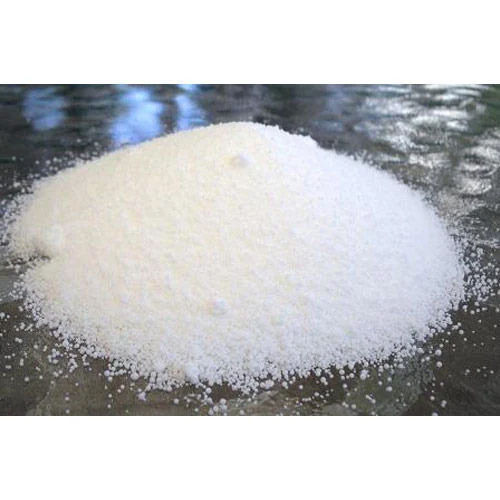
Tell us about your requirement

Price:
Quantity
Select Unit
- 50
- 100
- 200
- 250
- 500
- 1000+
Additional detail
Mobile number
Email

More Products in Radium Powder Category
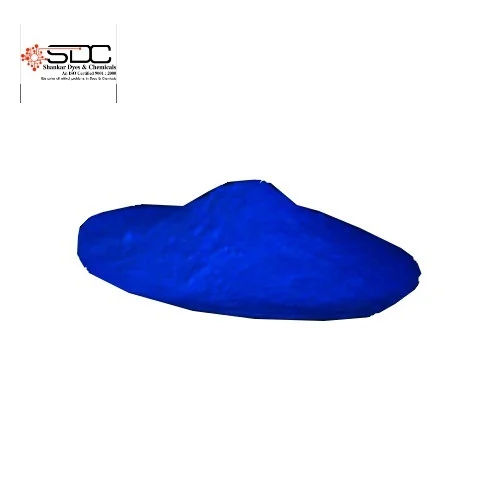
Blue Radium Powder
Minimum Order Quantity : 100 Packs
Place of Origin : India
Grade : First Class
Color : Any Color
Physical State : Powder
Purity(%) : 99%


 Send Inquiry
Our Products

Kh. No. 902/290, Gali no 1,Shalimar Village,Industrial Area,Opp. Neelkanth Hospital,Delhi - 110088, India

Mr Dalip Jeswani
(CEO)
Mobile :08045815668
 Send Inquiry
 Send SMS
Developed and Managed by Infocom Network Private Limited.


